Beyond Her Years: Varonica ‘The VV Show’ Mitchell
Written by Kelci Boyd
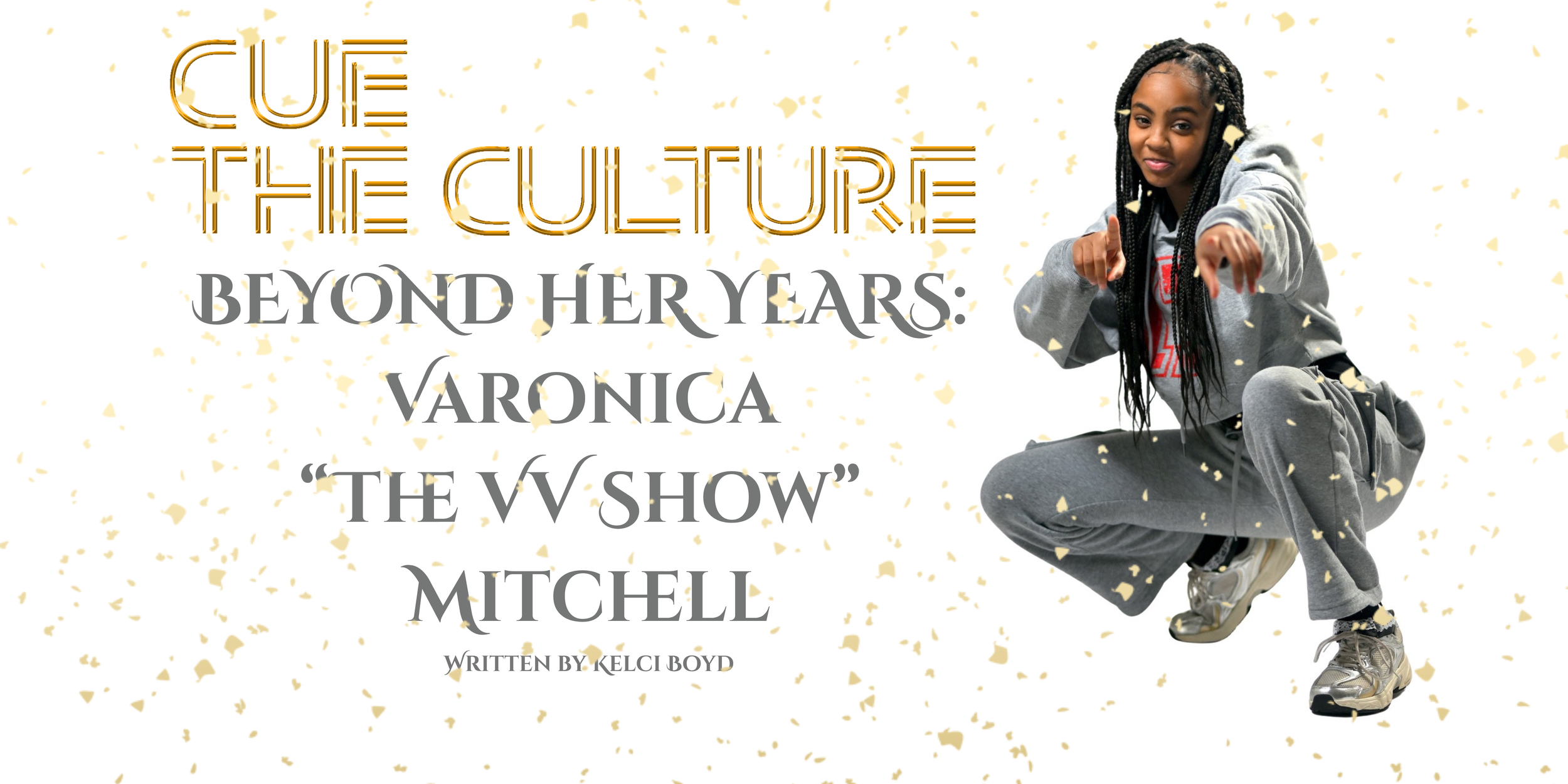
Multi-talented teenager, Varonica “the VV Show” Mitchell is not just creating content, she’s creating impact. Known to many as the teen who snapped her fingers, leaned, and rocked her way viral to meet rapper and music producer, Lil Jon, while being interviewed on the Jennifer Hudson Show, Varonica has grown up in front of the world, balancing faith, family, fame, and the fragile in-between space of being a teenager in the age of social media.
What immediately struck me about Varonica wasn’t just her confidence on camera. It’s her softness off of it. There is a brightness to her, the kind that can’t even be taught. As someone who understands the vulnerability of building publicly, I found myself drawn to her journey. Growing up online can be loud. It can be unforgiving. Yet she carries herself with a grace that feels intentional.
“Well, it’s been crazy,” Varonica admitted about stepping into her teenage years. “It’s been a lot of new things that I have to get used to, getting older. But I’m just trying to live my life as a kid as long as I can.”
That balancing act between different platforms, puberty, purpose and peer pressure, is something many adults struggle with, let alone a young girl navigating millions of eyes watching her every move.
Varonica refuses to let the spotlight steal her childhood. With the support of her family and village, her day-to-day life still includes school hallways, homework, and laughter with friends. “It’s really no different than a regular kid going to school,” she said. “The people that I’m surrounded by know what I’m doing, and we just keep it moving.”
Her presence extends far beyond screens. When she visits schools, the energy shifts. Students light up. Young girls see someone who looks like them: confident, funny, faith-filled, and fearless.
“Sometimes when I go to the store, I’ll see them running up to me trying to give me hugs,” she shared. “Because of that, I started doing school tours, getting them hyped up for reading and math.”
That’s when her voice softens.
“The smile on their faces when they see me, I love that.”
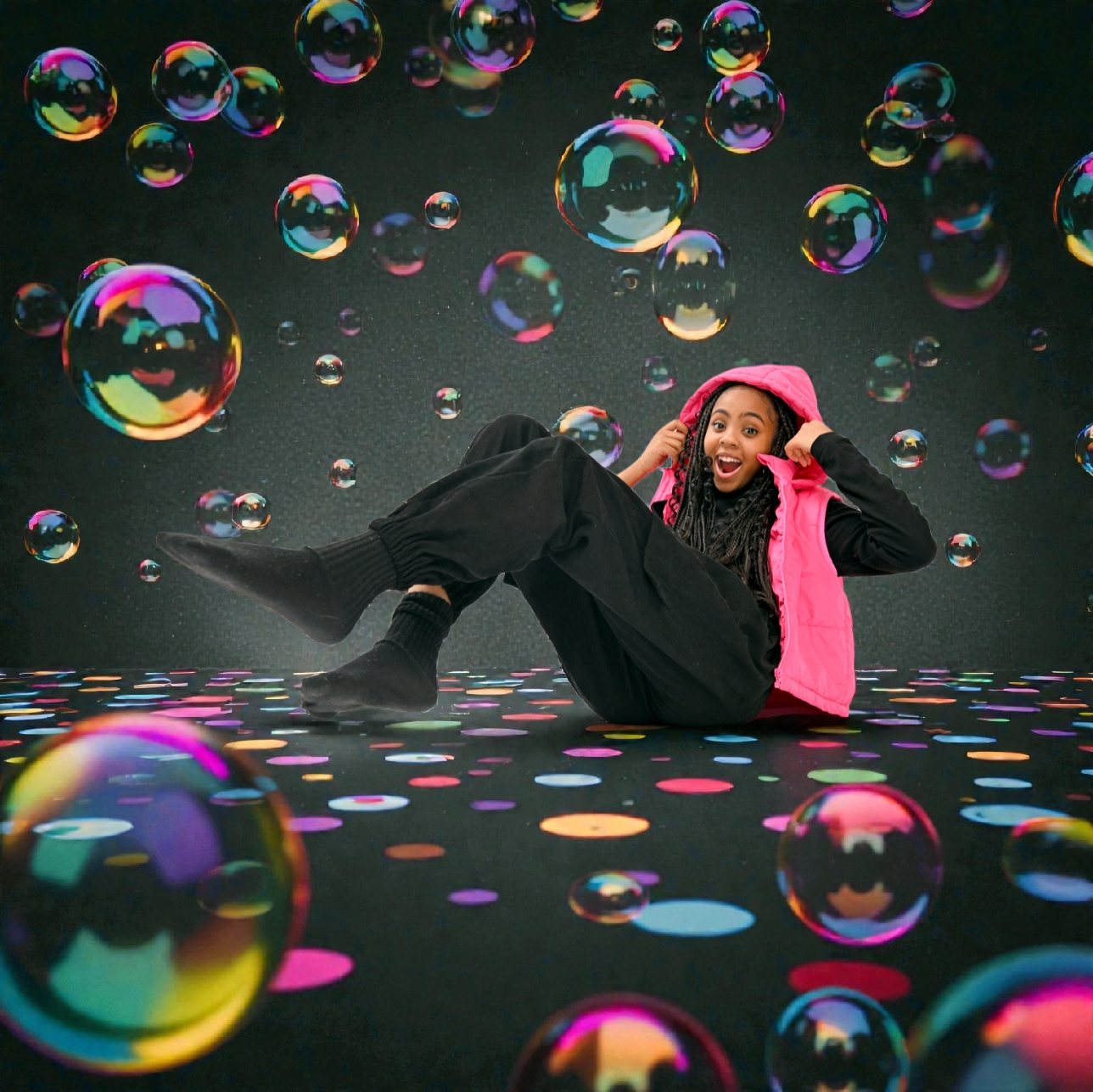
Photo Credit: Rick Crank
IG @RickCrank
What began as filming playful videos on her phone simply to make people laugh has evolved into something much deeper. With the support of her family, her father behind the camera, her mother helping manage and style, and her sister keeping her academically aligned, Varonica transformed a childhood hobby into a purpose-driven platform.
“My dad had already done videography,” she explained. “When bigger people and networks reached out, we were like, okay, we gotta bump this quality up.”
That teamwork is the backbone of her success. But she is clear about the foundation underneath it all.
“I wouldn’t be here without them and Jesus Christ.”
Like many creators who start young, she’s experienced the highs and the humbling lows of social media. Algorithms changed. Engagement dipped. The internet moved on.
“When my videos weren’t really getting popular anymore, I was like, you know what? Who cares? I’m gonna continue doing it,” she said. That resilience is what separates viral moments from lasting influence.
Her message to other young creatives is simple but powerful: “Do not stop. If you see negative comments, do not stop. They’re only trying to push you down.”
It takes courage to keep showing up. Especially as a young girl navigating both digital spaces and real life. I couldn’t help but think about how many teens shrink themselves to fit in. Varonica, however, has decided to grow without ever acknowledging a box.
She dreams of big, major films, award-winning performances, and studying acting and film at the collegiate level. Even in her ambition, she remains rooted, and everyone is taking notice. A scroll of her social media timeline includes her acting, dancing, drumming, wearing wigs, costumes, announcing tour dates, AND being recognized by the NAACP Vance County Branch Chapter as an award recipient for impact, service, and purpose.
Mitchell’s influence continues to expand with her show Just Be VV on EFN, where she connects with audiences in a more personal way. Episode 1 is available on her YouTube Channel. The show allows the rising teen personality to step beyond viral clips and into the role of a leading lady, sharing encouragement, humor, and showing off her acting chops.
There is something powerful about watching a young Black girl take up space unapologetically while still protecting her innocence. In a world that often pressures young women to grow up too fast, Varonica is intentionally choosing joy, choosing purpose, and choosing faith.
She is a reminder that you can grow and still be grounded.That you can be seen and still be soft. That you can be ambitious at any age.
Varonica Mitchell is building more than a platform, business, or brand. With a new acting role, growing industry attention, and millions watching her online, Varonica ‘The VV Show’ Mitchell is stepping from social media spotlight into the wider world of television and film.
When you really look back at her life journey so far, you cannot help but realize that Varonica “The VV Show” Mitchell is proof that wisdom, confidence, and purpose don’t have to wait for adulthood.