The Elders Might Say She’s Been Here Before
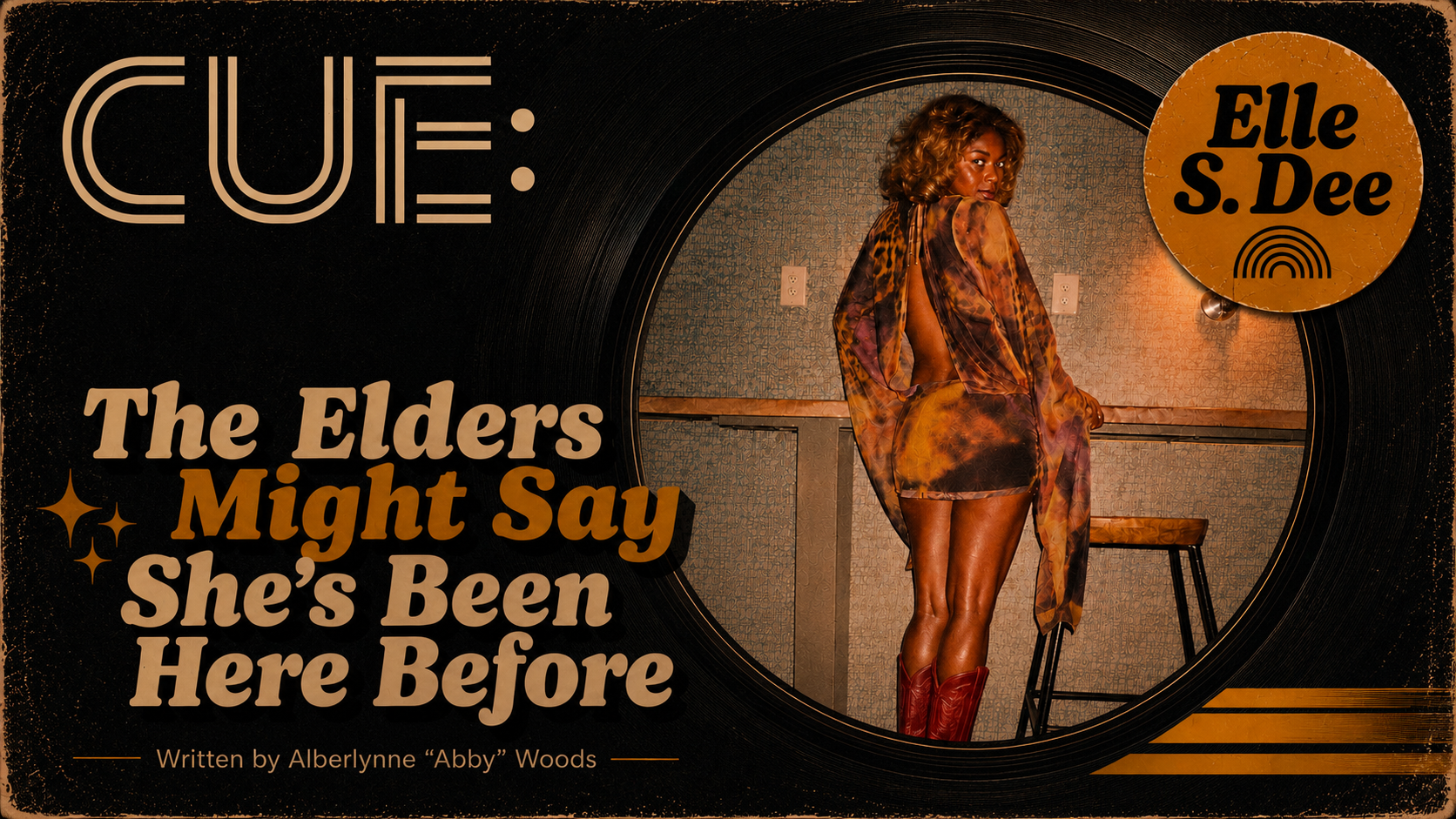
There is something that happens when two people from Los Angeles find each other.
The conversation becomes less about geography and more about shared memories. Neighborhood names become landmarks. Radio stations become time machines. A single mention of Baldwin Hills, Crenshaw, or Venice Beach can unlock decades of culture.
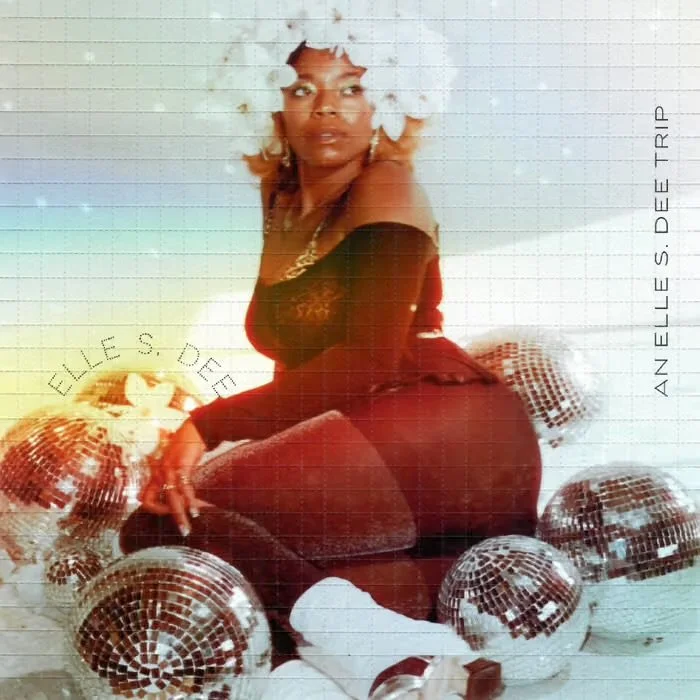
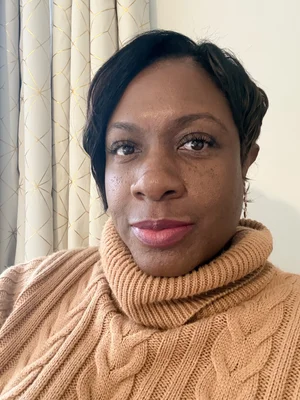
That unexpected nostalgia became the backdrop of my conversation with Jakiyah Cabell, better known creatively as Elle S. Dee. Born and raised in the Los Angeles area, Cabell is part of a new generation of Black creatives who refuse to be boxed into one title. Even her artist name tells a story.
Elle S. Dee isn’t simply a clever play on initials. It’s a creative persona inspired by psychedelic soul, analog aesthetics and the fearless experimentation of the 1970s, a decade she never lived through but somehow understands intimately.
As we traded stories about Parliament-Funkadelic, Earth, Wind & Fire, Donna Summer and family road trips soundtracked by old-school radio, one thing became clear.
Gen Z isn’t just discovering nostalgia.
They’re curating it.
For Cabell, the music wasn’t found through playlists or streaming algorithms. It came through Fourth of July family gatherings and mixtapes her father made filled with songs from the ’70s, ’80s and ’90s. Those moments became her creative DNA long before social media gave nostalgia an aesthetic.
Long before TikTok romanticized vinyl records, grainy film photography and vintage aesthetics, Cabell had already inherited those influences the old-fashioned way: from family. What some creators now call “nostalgia content” was simply her childhood.
That perspective is exactly why her online presence feels different.
She describes herself as “a social media girl through and through,” having grown up during the internet’s earliest days, moving from fan forums to MySpace, Facebook, Twitter, Instagram and now TikTok. But rather than using social media to simply promote herself, she uses it to teach. Working professionally in music marketing and artist development, she began creating videos that pulled back the curtain on the music industry, answering questions aspiring creatives didn’t even know they had.
The response surprised even her.
Followers weren’t looking for perfection.
They were looking for perspective.
That’s one reason TikTok has become her favorite platform. Unlike Instagram, which she describes as heavily curated, TikTok rewards specificity. The more niche the conversation, the stronger the community becomes.
Cabell explains, “If you’re into this, stay. If you’re not, keep scrolling. You won’t hurt my feelings.”
Cabell has watched complete strangers gather around decade-old television shows, forgotten artists and deeply specific musical influences simply because someone was willing to start the conversation. Whether she’s discussing The X-Files, alternative R&B artists or music production, she has learned that authenticity travels further than broad appeal.
That philosophy extends beyond social media.
It defines how she approaches creativity itself.
When writer’s block hits, she doesn’t force it. She pivots.
If songwriting isn’t working, she sketches. If film isn’t flowing, she experiments with air-dry clay. If one creative lane becomes congested, she simply opens another. Even graduating from film school during the height of the pandemic became less of a setback than a redirection. Instead of forcing her way into Hollywood, she began teaching documentary filmmaking to young women of color while continuing to build her own artistic voice.
Her dream isn’t to choose between music, film or writing.
It’s to do all of it: to write films, compose their scores, direct the visuals and create stories that outlive the platforms they’re published on.
She said, “I really just want to be creative and tell stories…and leave my mark on the planet.”
Maybe that’s why the name Elle S Dee feels so fitting. Not because it references psychedelia, but because psychedelia, at its best, was always about expanding what was possible. The artists who inspired her weren’t escaping reality. They were imagining new ones.
Listening to Cabell, I realized that’s the same freedom I’ve been searching for in this season of my own life: the freedom to stop choosing between writer and producer, editor and entrepreneur, and instead embrace every chapter that has led me here. I found my Gen X self taking notes from a Gen Z creator.
Her advice, “Don’t wait. Don’t be afraid of taking up space. Don’t be afraid of showing yourself, showing your gifts.”
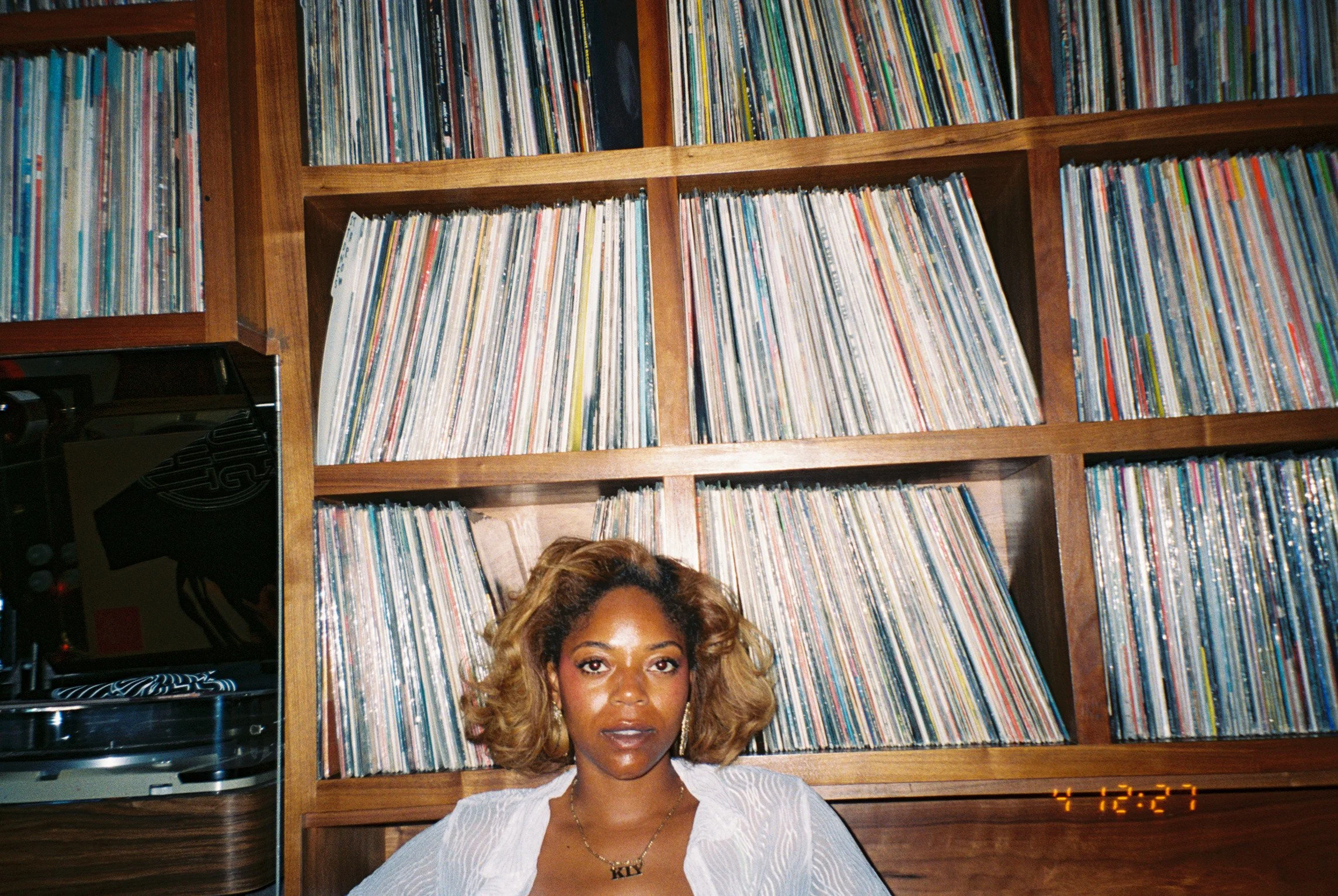
Elle S. Dee is sitting in front of a bookcase filled with vinyls
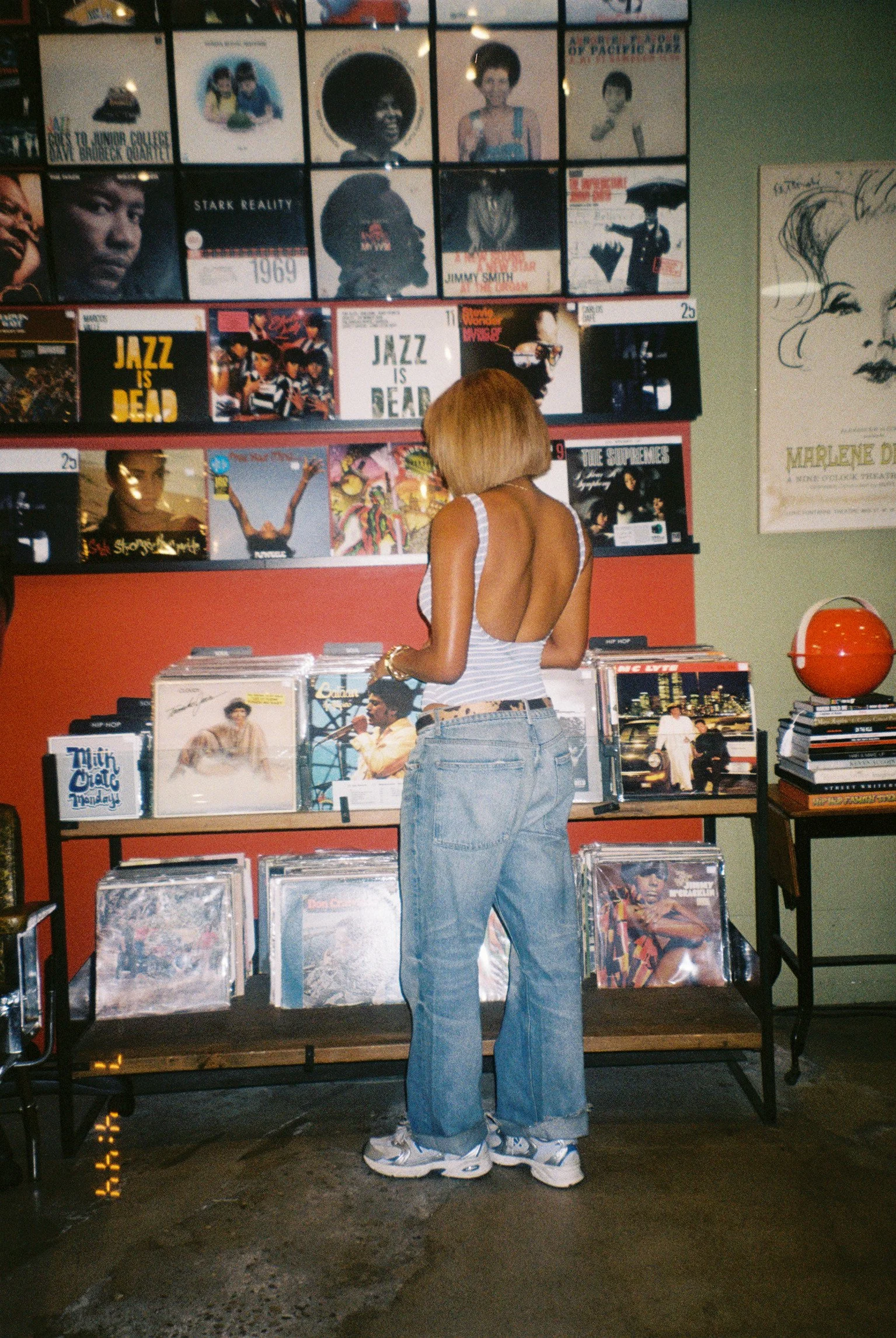
Elle S. Dee is standing in front of a wall covered with vinyls
Maybe that’s why our conversation felt so familiar. Two Black women raised by the same city, separated by generations, arriving at the same conclusion. Creativity doesn’t have to choose one form. It can be funky, cinematic, digital, analog, loud, quiet, nostalgic, remixed, and new.
I believe that’s the real legacy of artists like Elle S Dee. She’s reminding us that the future has always belonged to those bold enough to carry the best of the past with them.