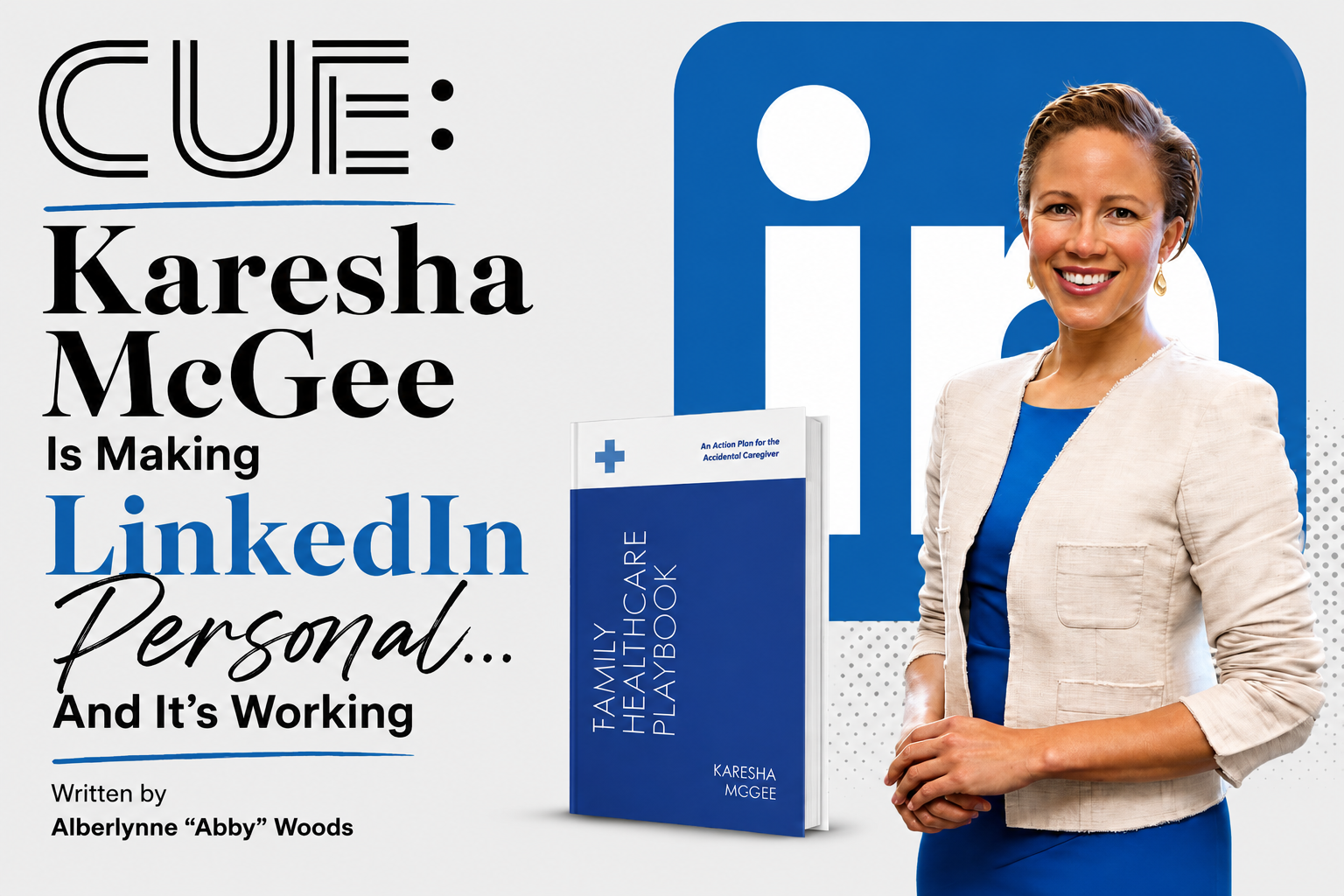
Karesha McGee Is Making LinkedIn Personal…And It’s Working
Written by Alberlynne “Abby” Woods
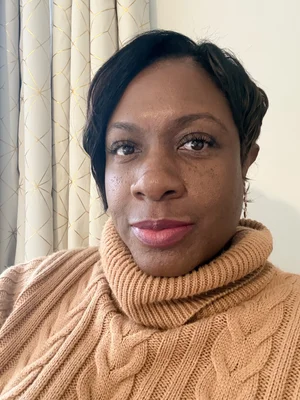
Long before either of us could have imagined careers built around telling stories, Karesha McGee and I were two California girls who somehow found ourselves thousands of miles from home at Cornell University.
I came from Southern California. Karesha came from the San Jose Bay Area. She studied cultural anthropology, danced, sang and possessed an artistic streak that, looking back, makes her eventual evolution into an author feel considerably less accidental than the title of her book suggests.
Decades later, we are still friends and now we are both storytellers.
McGee’s latest story, however, is one she never planned on living.
After years building a career in technology, public relations and communications, she found herself simultaneously doing another job behind the scenes. She is caring for her mother.
McGee calls herself an accidental caregiver. She is someone who did not apply for the position, was not trained for it and certainly was not getting paid for it. She simply loved someone who needed care, so she stepped up.
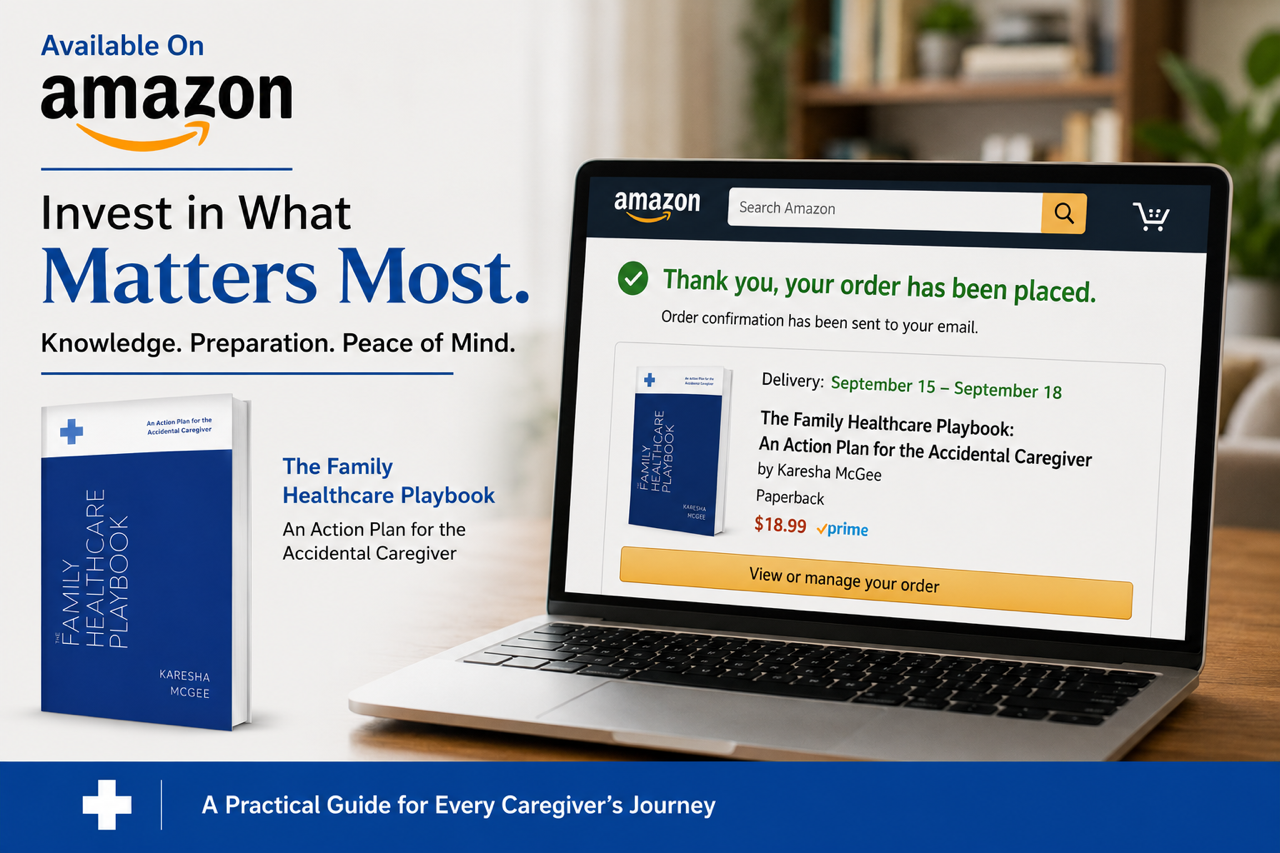
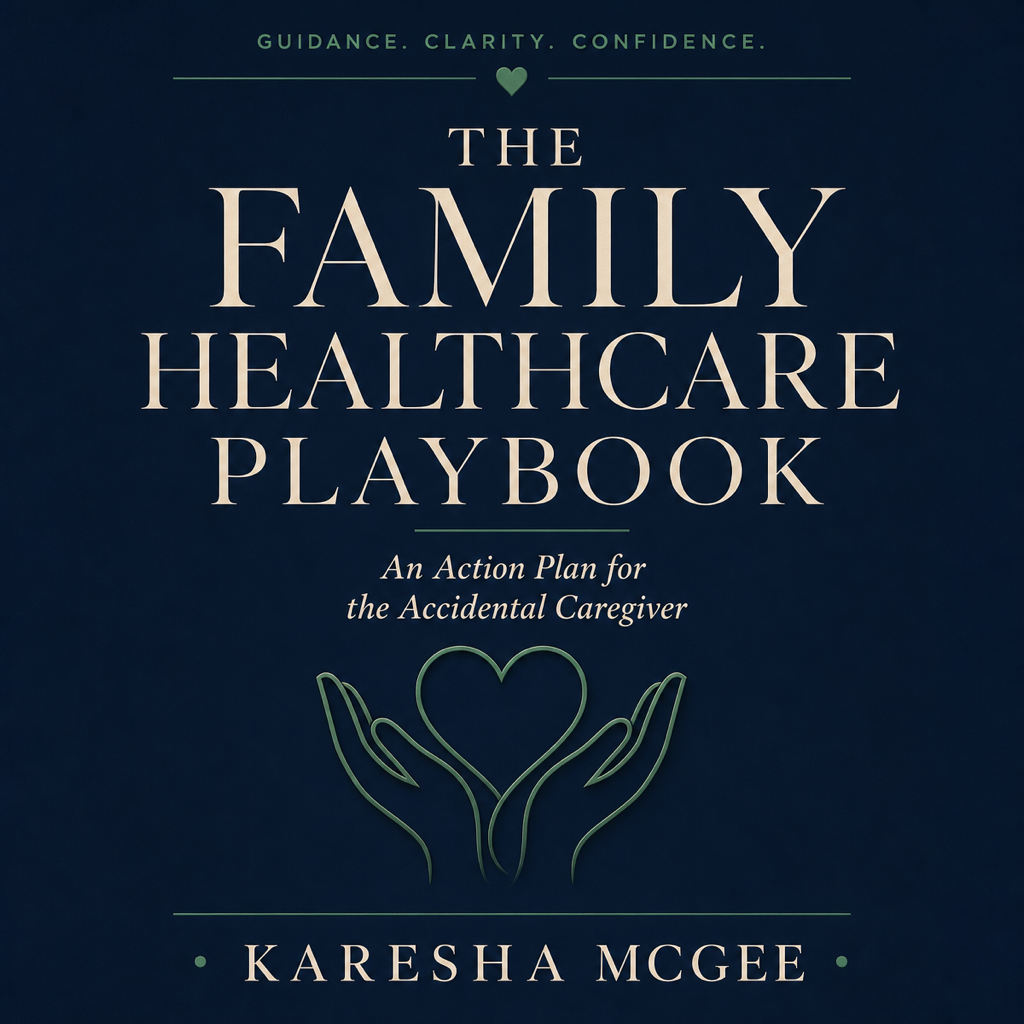
Eventually, those experiences became The Accidental Caregiver, the book McGee describes simply as “the book I wish that I had.”
Then came another unexpected decision.
She took her personal journey and not so sexy story to LinkedIn.
McGee had been using LinkedIn practically since the platform’s beginning, but traditionally for exactly what you would expect. She used it for things like networking, maintaining professional relationships and keeping track of people she met throughout her career. Later, as a communications executive, it became a storytelling tool for translating complicated corporate and technology news into stories people could actually understand.
Caregiving was different.
Her first article, about going from technology executive to accidental caregiver, sat ready for days, maybe even weeks.
She shared that “writing it took approximately 10 minutes.”
Pressing Post was another matter entirely.
“I was horrified,” McGee admitted.
For years, her LinkedIn updates had been about new jobs, promotions, board appointments and company announcements. Suddenly, she was preparing to tell the same professional network that behind all those career accomplishments, she had also been navigating the intensely personal responsibility of caring for her mother.
She had come to the realization that caregiving was a job, too! It just wasn’t one anyone had hired her to do.
Once she finally pressed the button, people responded.
Former colleagues reconnected. Doctors reached out. Nonprofit professionals found her. People she didn’t even know were paying attention contacted her to say they were caring for a parent too, preparing for a loved one’s surgery or suddenly realizing they needed to start having conversations within their own families.
That’s the moment every creator eventually hopes for.
The strangers found her.
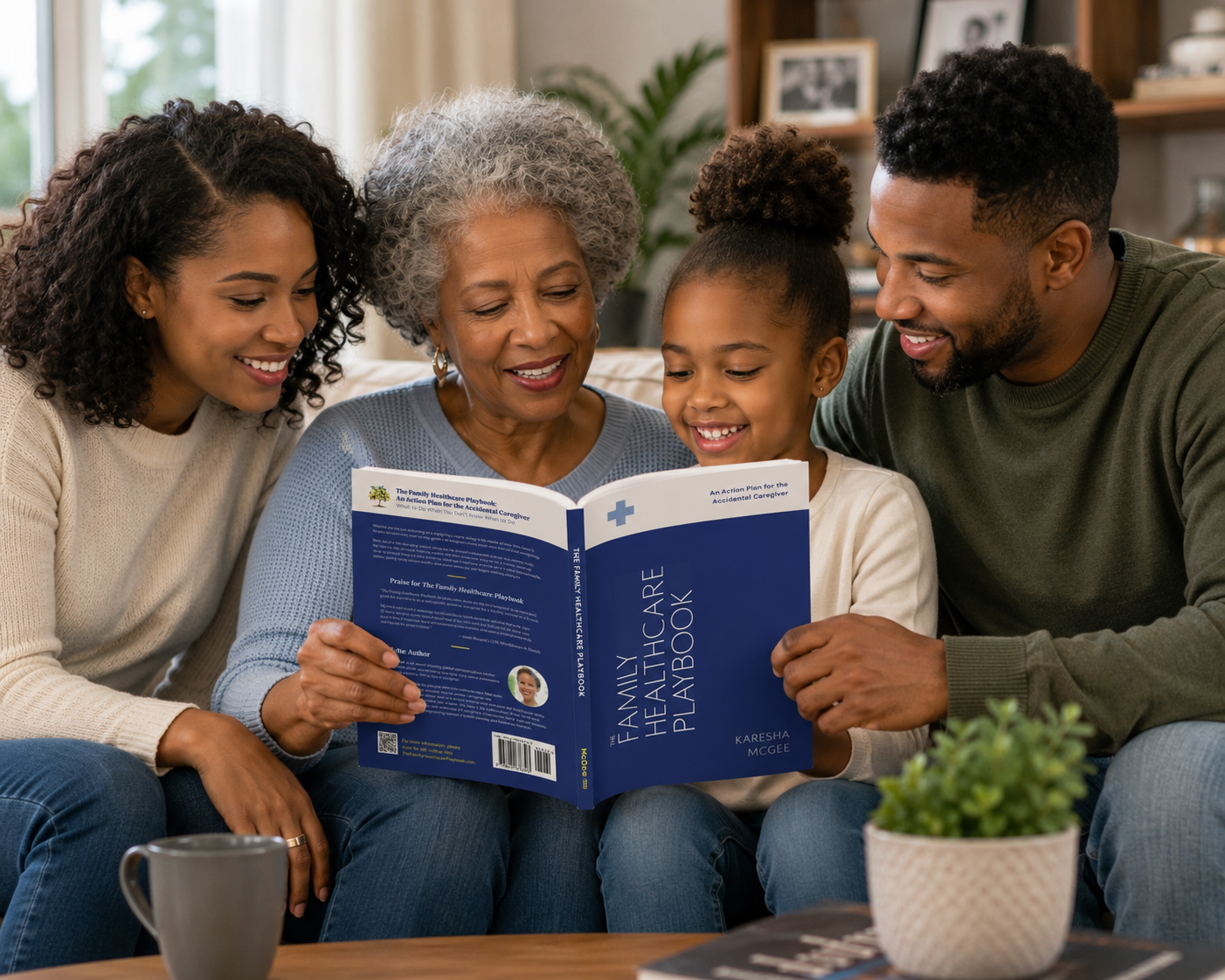
A black family reading a family healthcare playbook
McGee’s strategy offers an important lesson for authors and creators who believe promoting something means announcing it once and hoping the algorithm performs a miracle.
“You are never one and done,” she said.
Her communications philosophy is what she calls “rolling thunder.”
Before McGee published that frightening first article, she already had four or five more pieces prepared.
One would explain how she became a caregiver. Another would unpack something readers would find in the book. Another would tell a personal story. Instead of reducing the experience to one launch announcement, she created an ongoing narrative.
“There’s a lot of depth,” she explained.
LinkedIn gives her room for that depth. While she has expanded onto Instagram, LinkedIn remains her strongest platform in part because long-form writing feels natural to her.
As she put it, “not everything can be a listicle.”
McGee is also thinking beyond book sales.
She wants family caregiving recognized as an issue that belongs in our workplaces, healthcare systems and national conversations. She imagines hospitals giving new caregivers something akin to an employee onboarding manual.
McGee has even identified an ultimate collaborator. She wants Oprah Winfrey to convene a town hall bringing family caregivers together to discuss both the challenges they face and possible solutions.
The ambition makes sense because McGee isn’t really trying to sell a book.
She’s trying to start a conversation.
“We are doing the jobs because we love the humans who are in our family, and we have no playbook. We have no support. We have no infrastructure,” McGee said.
That may be the real heart of The Accidental Caregiver.
McGee did not write the book from the other side of caregiving. She is still in it. She is still balancing family, still working, still building her communications consulting practice, still promoting a book, still attending appointments and advocating for her mother. She’s figuring out Instagram and experimenting with technology. She’s still trying to create something useful for the next person who unexpectedly finds themselves doing a job they were never trained to do.
McGee was reminded during the publishing process that caregiving and aging are not trends. People get older. Parents, grandparents, spouses, siblings, aunts, uncles and chosen family members eventually need help. Sometimes the shift happens gradually. Sometimes one surgery, diagnosis, hospitalization or phone call suddenly changes everyone’s assignment.
Which means The Accidental Caregiver is not simply a book for people currently sitting beside a hospital bed.
It is also an invitation for the rest of us to start talking before we get there.
Who knows where the insurance information is?
What does Mom actually want if she becomes seriously ill?
Who has power of attorney?
Which sibling is realistically going to handle what?
What benefits might our employers offer?
Have we actually asked the people we love how they want to be cared for?
Those are not necessarily comfortable family conversations but they are necessary ones.
At a moment when creators are encouraged to automate everything, manufacture endless content and even build digital versions of themselves, McGee continues to bet on human experience. Karesha McGee is living hers in real time.
Perhaps that is why The Accidental Caregiver is worth getting curious about even if you do not currently consider yourself a caregiver. McGee wrote it for the person she once was. She was accomplished, busy, handling life and completely unaware that another job title was waiting for her.
One day, many of us will receive that title too.
I’m incredibly grateful Karesha is one of those people in my network and, more importantly, in my life.
All these years later, we are still building careers, chasing ideas and figuring adulthood out. We’ve also learned that growing up isn’t only about building a life for yourself. Sometimes it means caring for the people who helped you build that life in the first place.
If you’re anything like Karesha McGee, you’ll take what that experience taught you, write it down, share it with your network and make the road a little easier for the person coming behind you.
That’s more than caregiving. That’s paying it forward and that may be the most meaningful kind of influence there is.